 Image 1 of 12
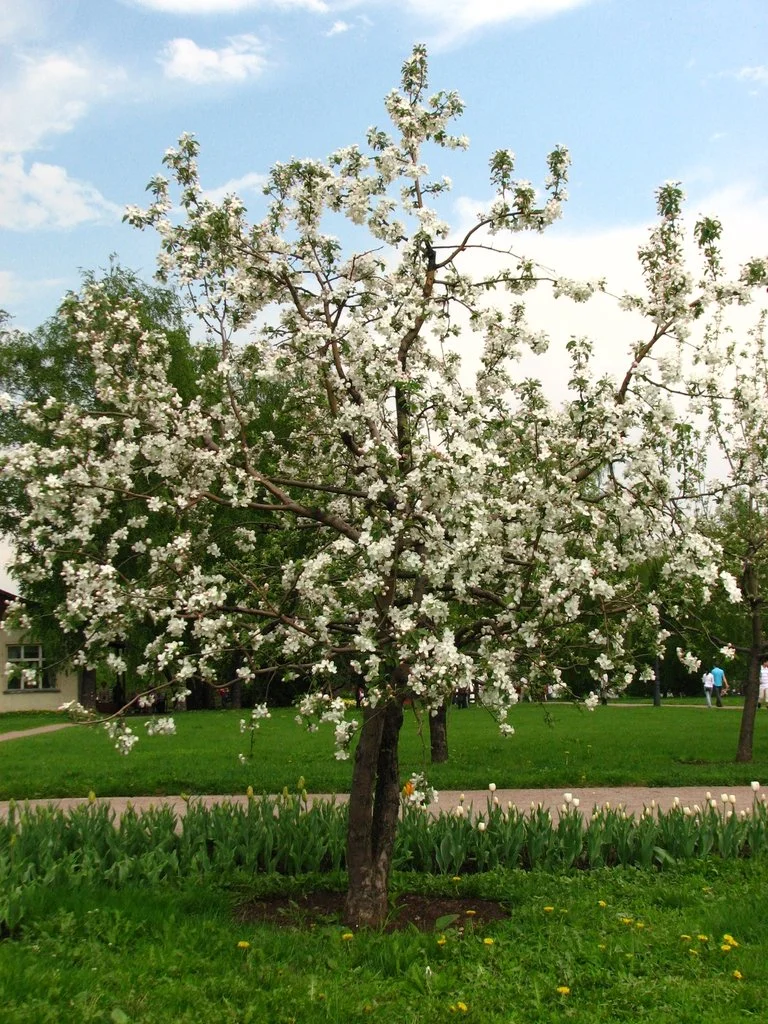 Image 2 of 12
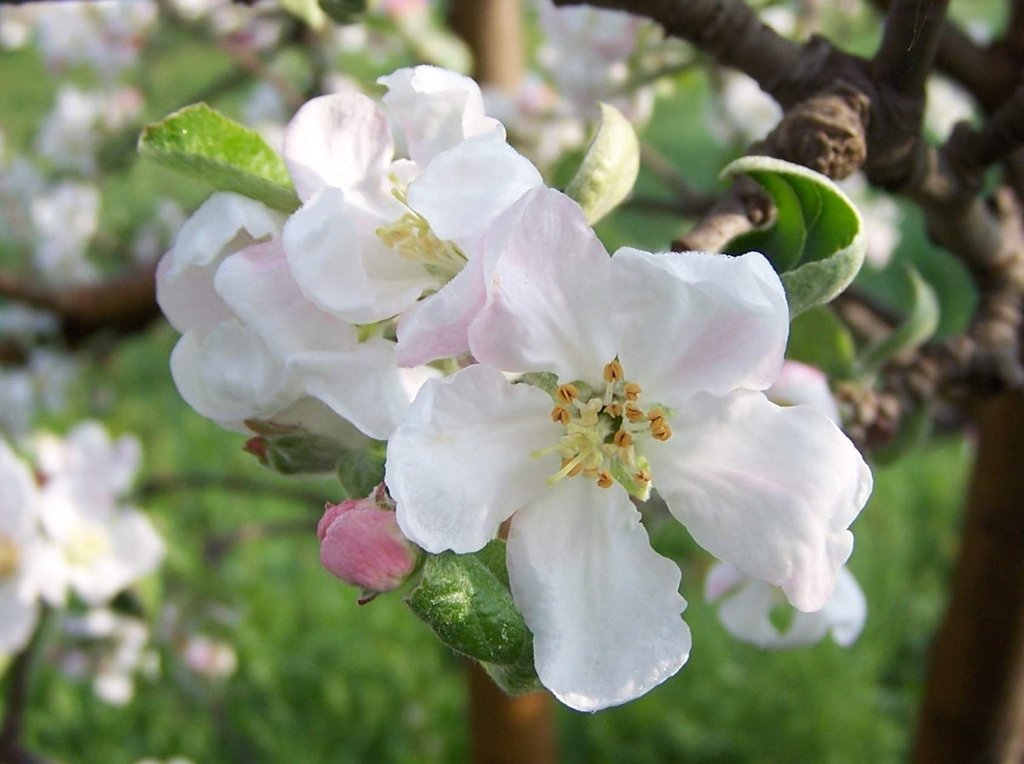 Image 3 of 12
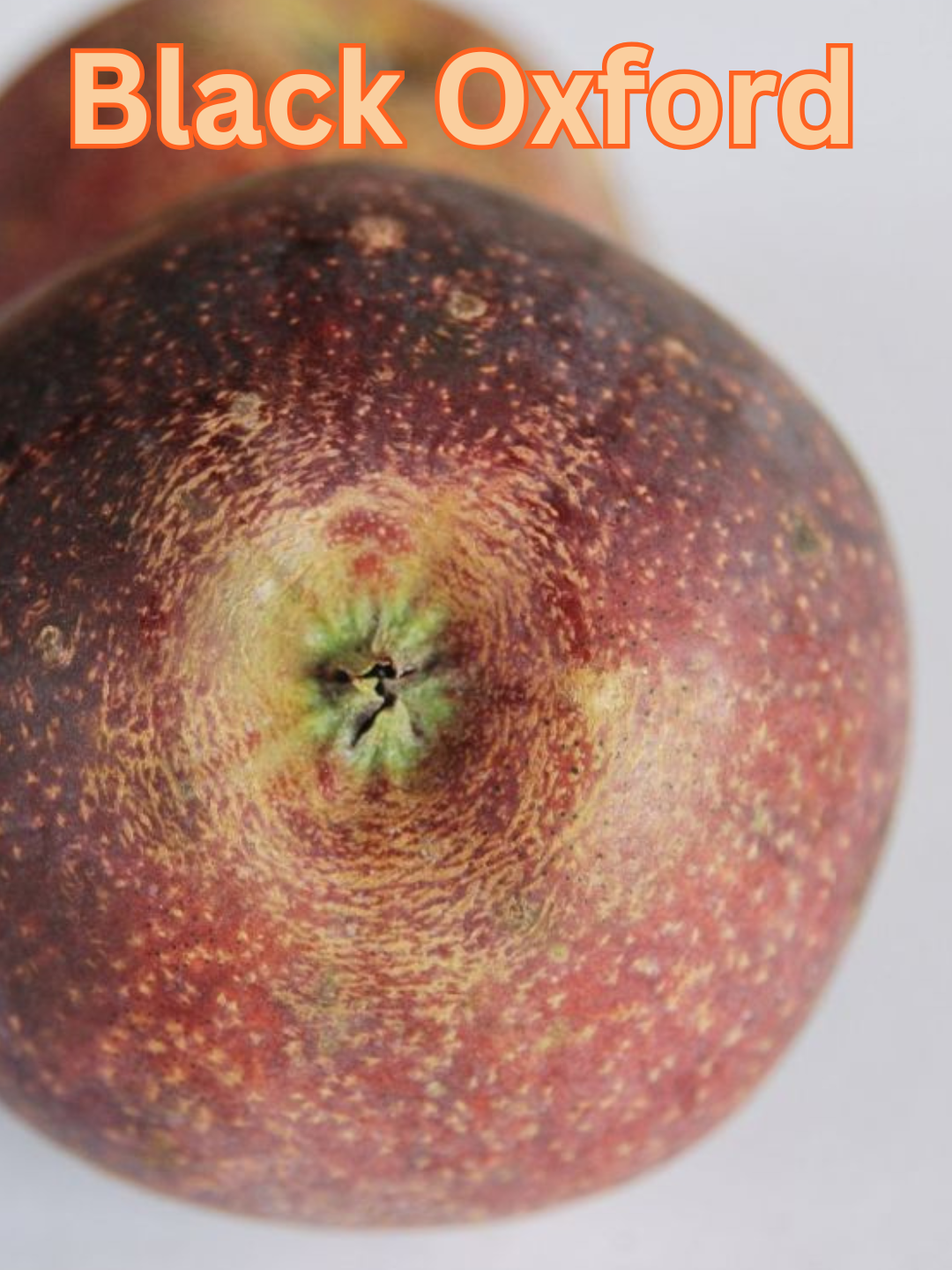 Image 4 of 12
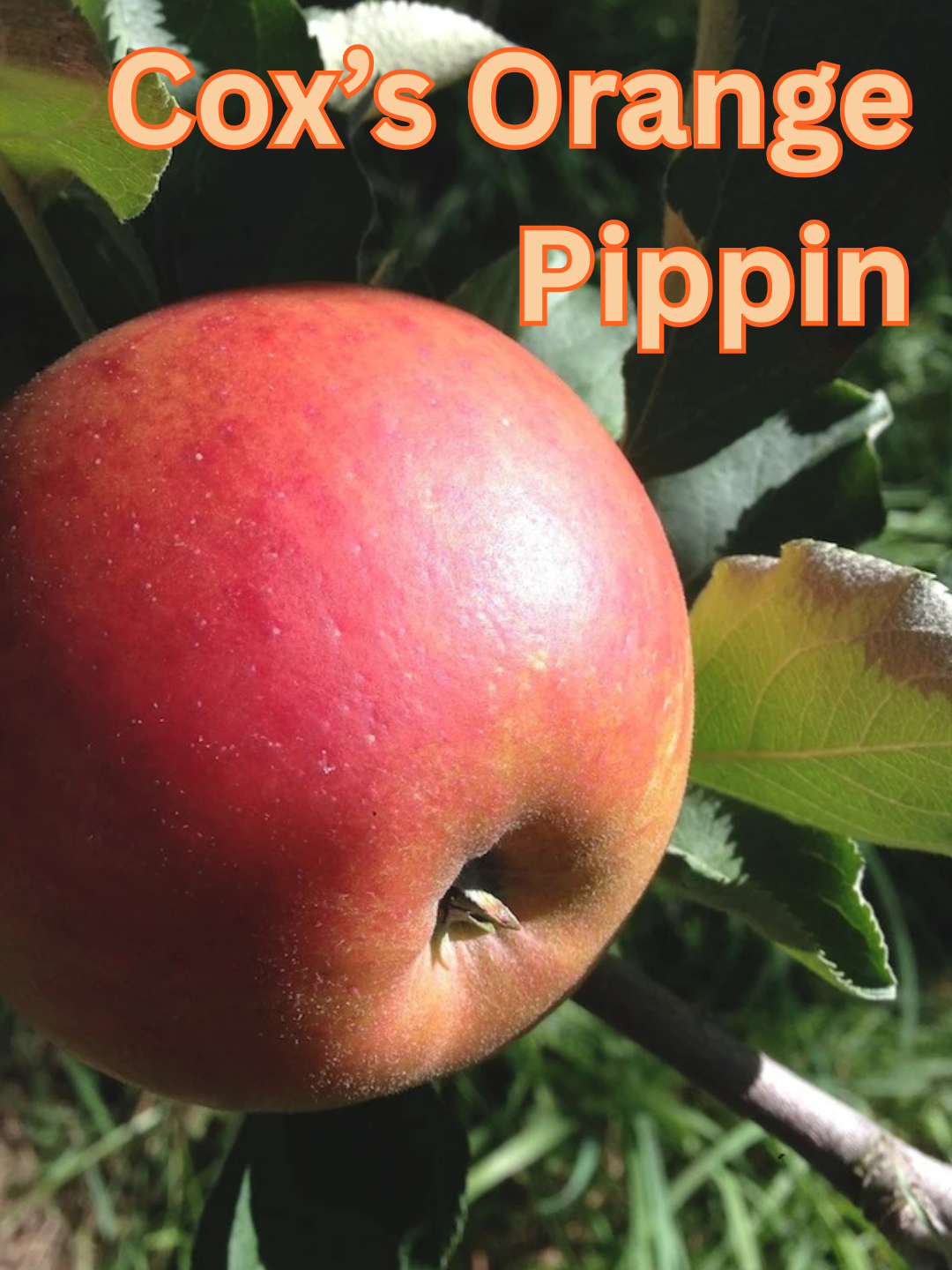 Image 5 of 12
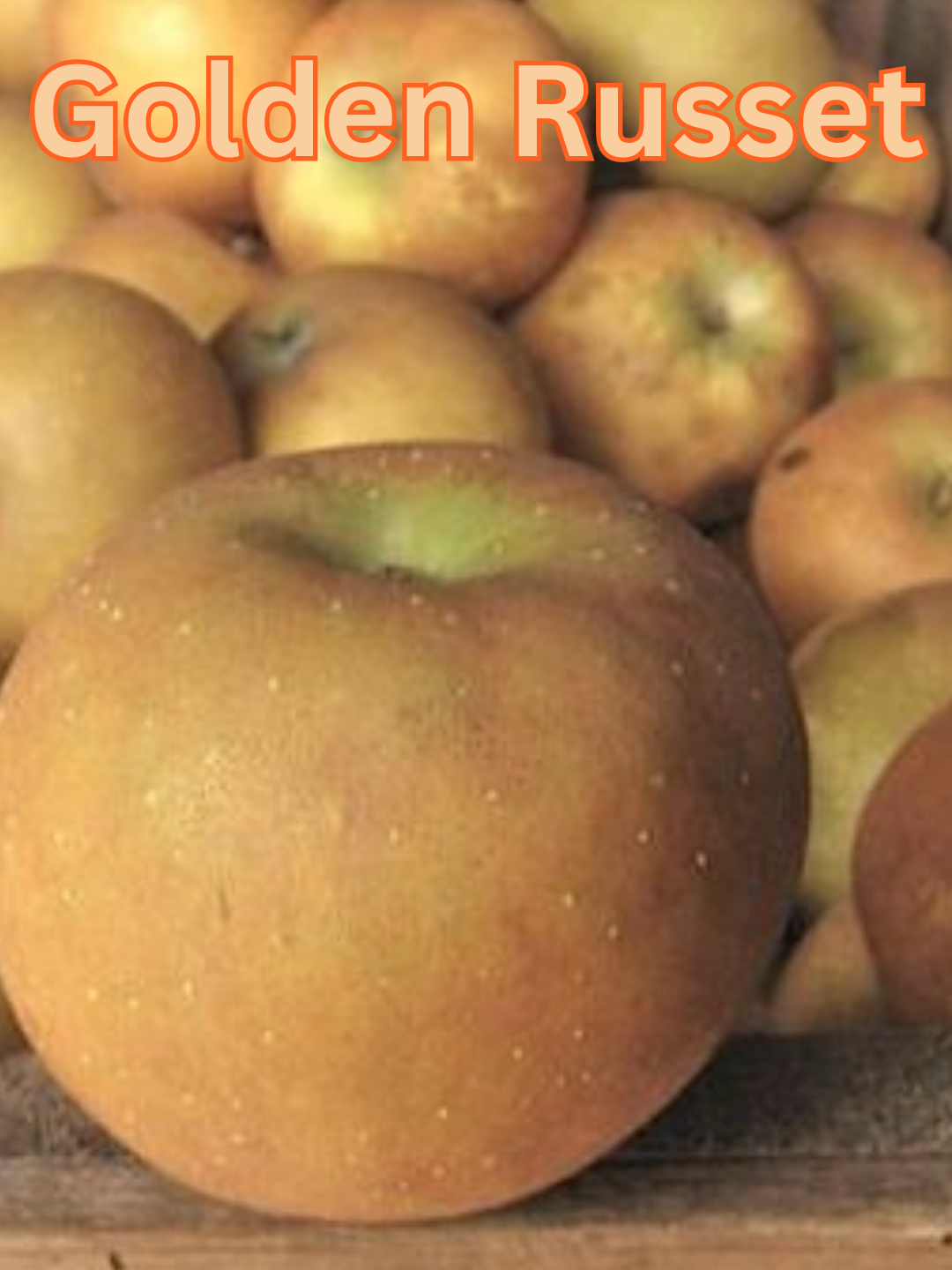 Image 6 of 12
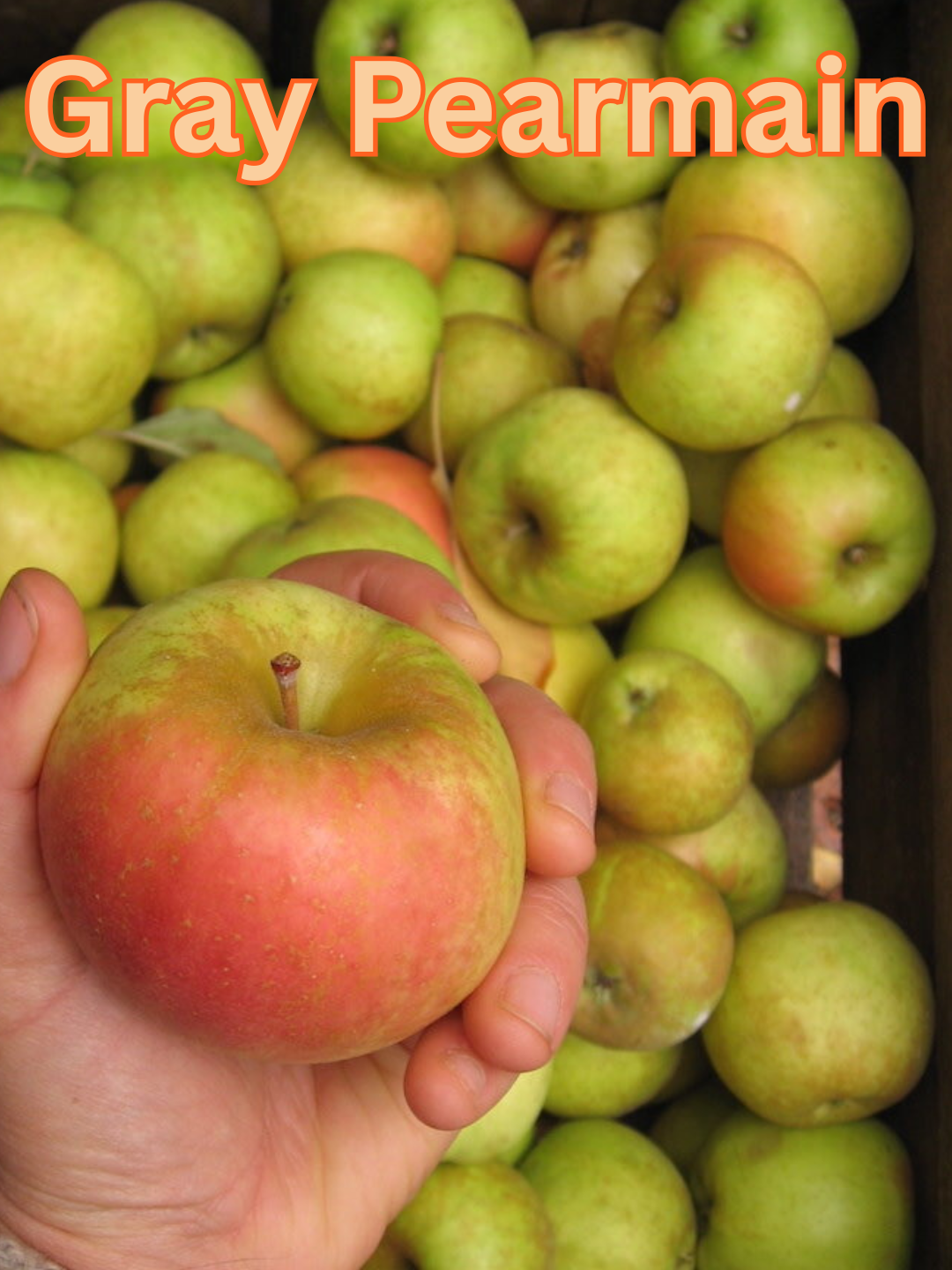 Image 7 of 12
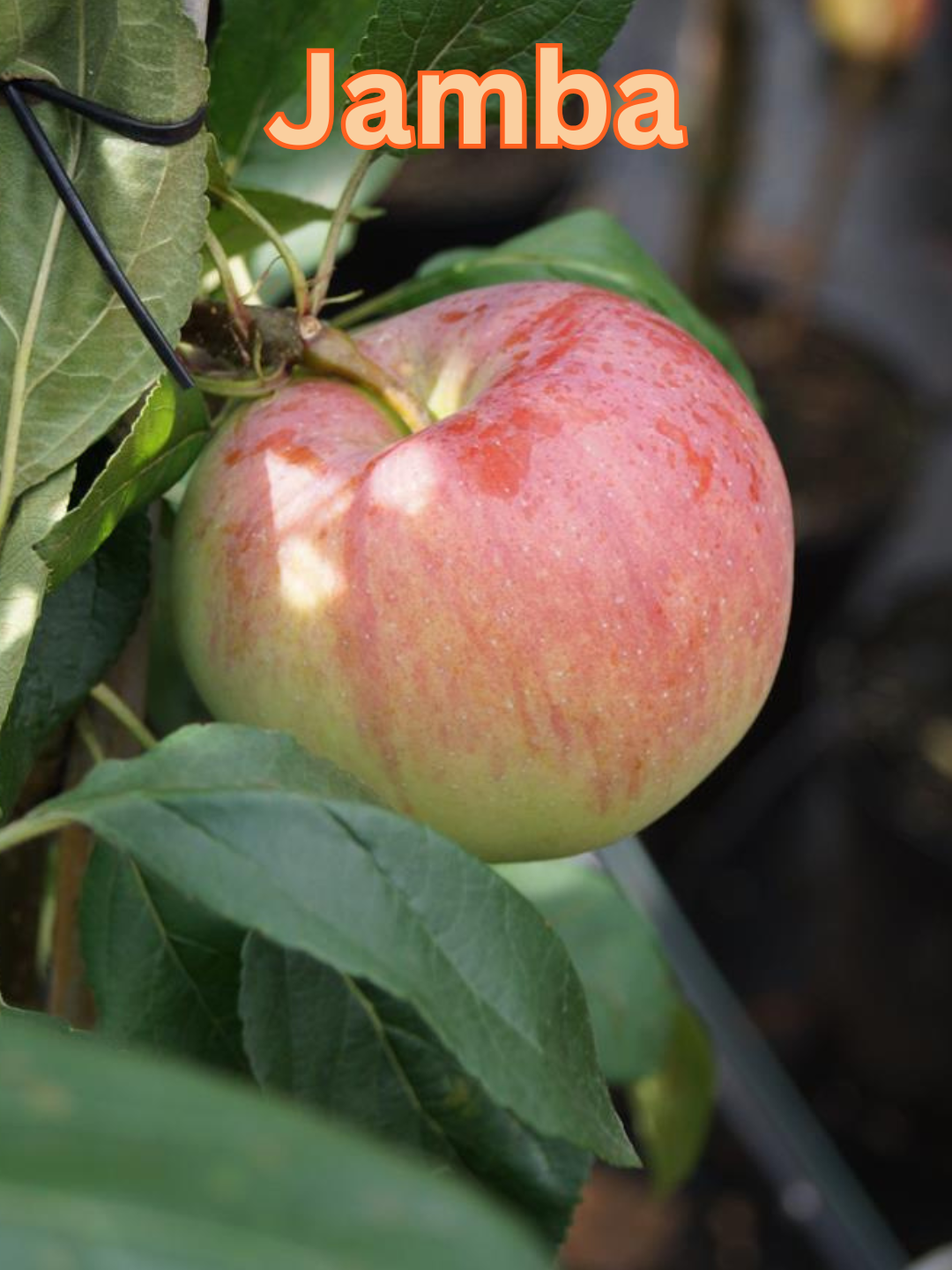 Image 8 of 12
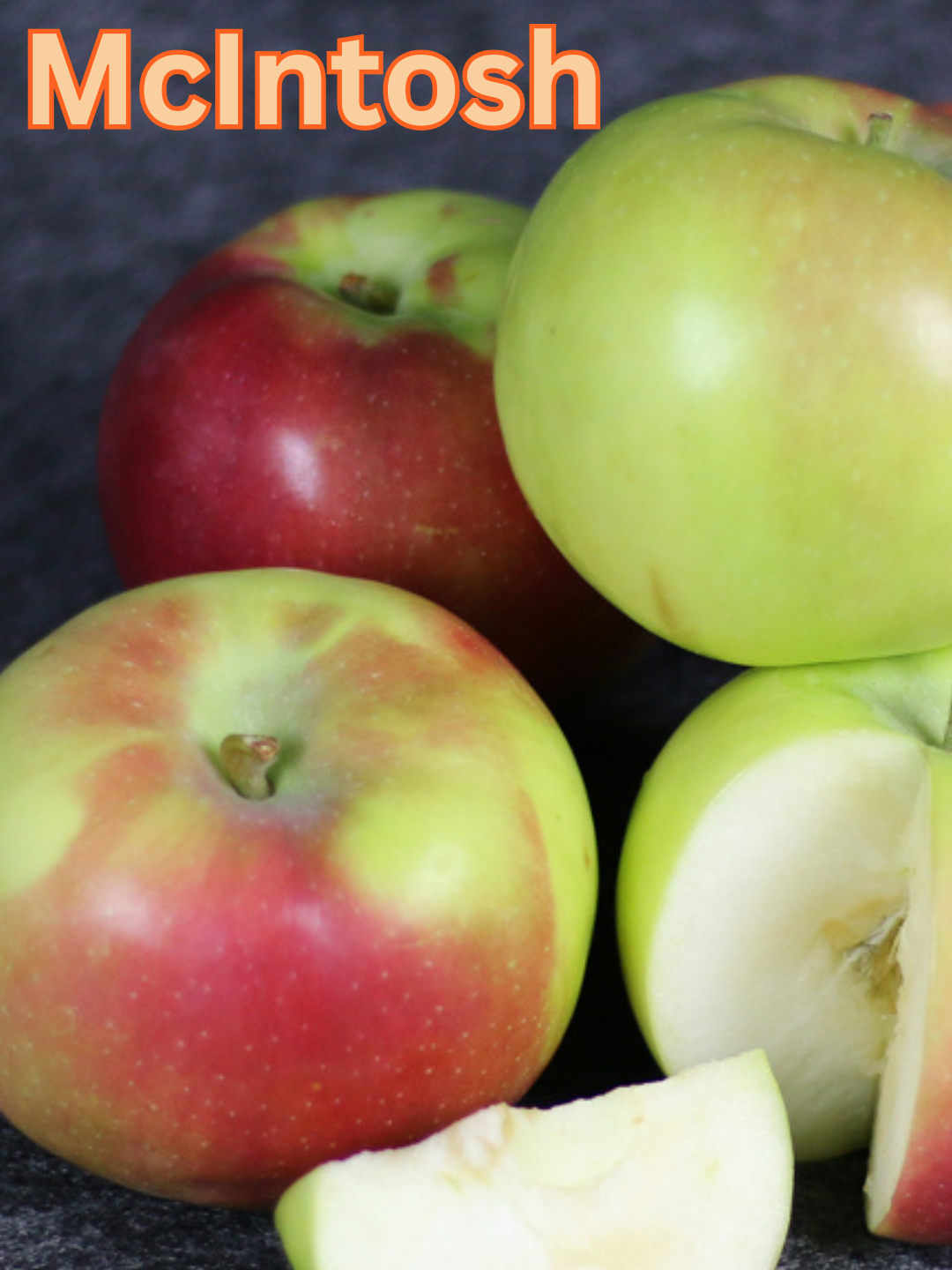 Image 9 of 12
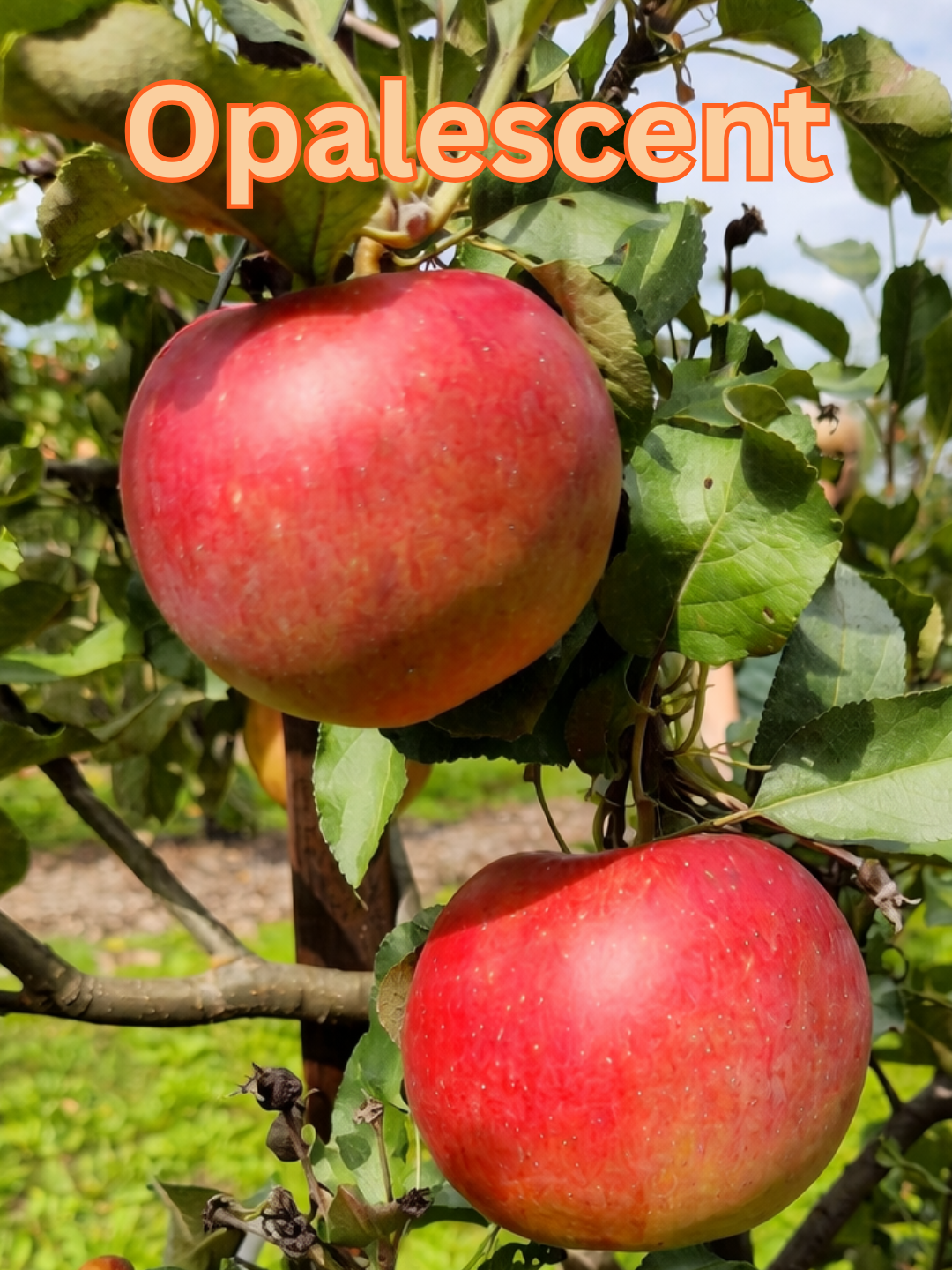 Image 10 of 12
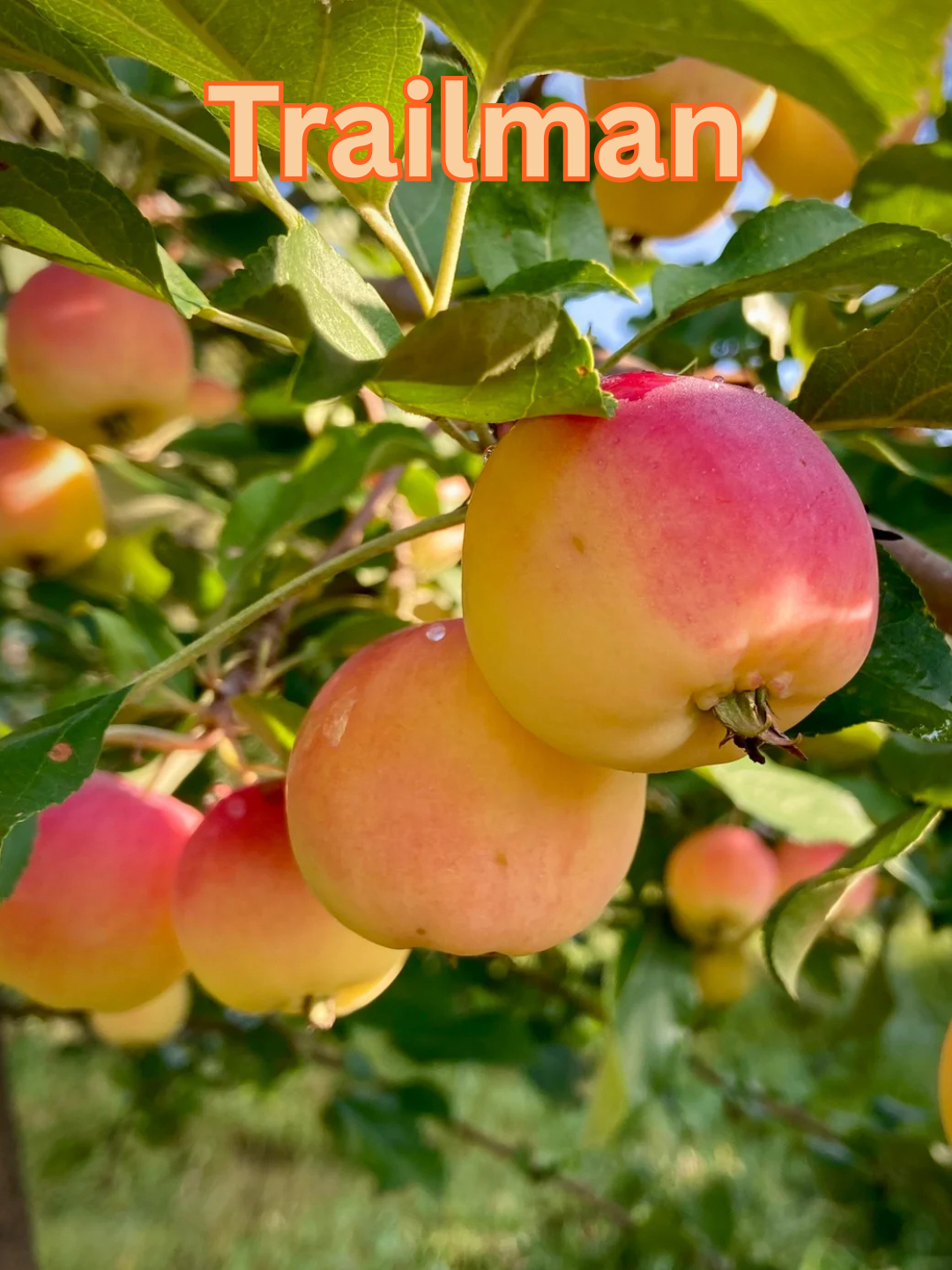 Image 11 of 12
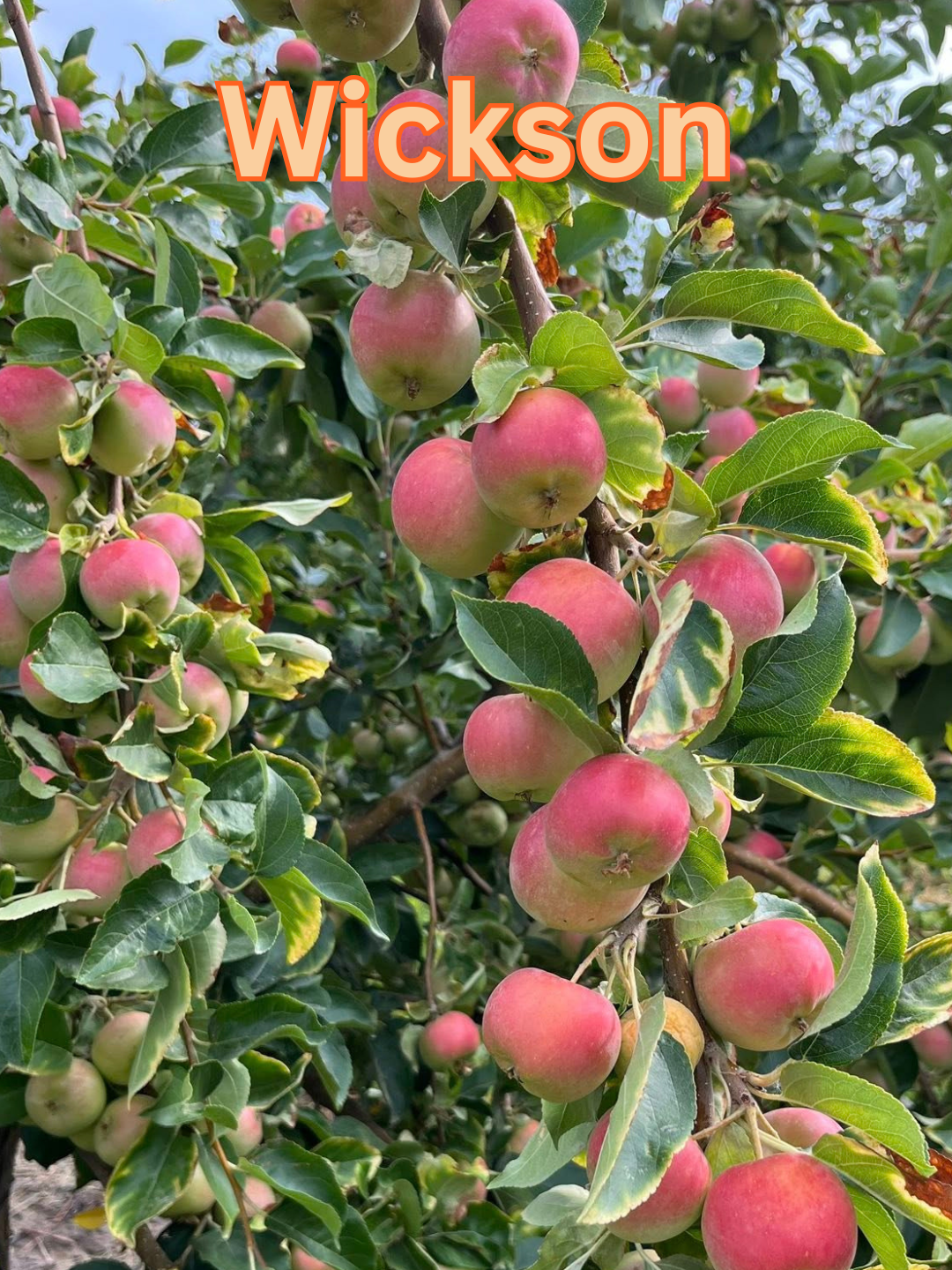 Image 12 of 12
Apple varieties (photos in carousel above):
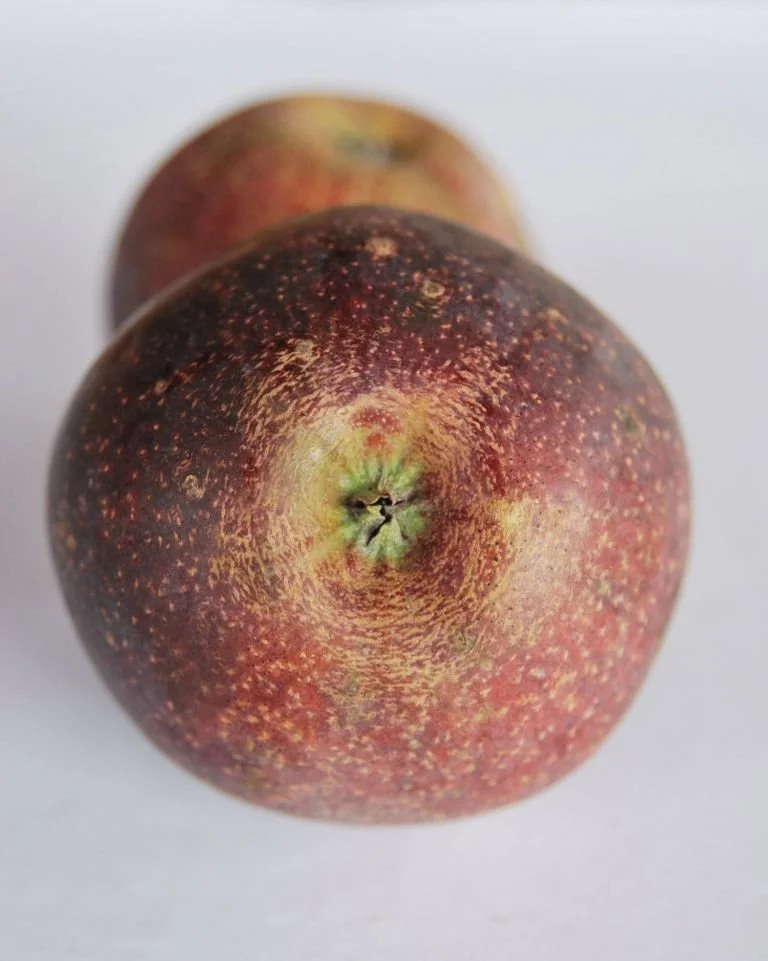
Black Oxford — A jewel of New England, Black Oxford glows with a dramatic purple-black skin that looks almost plumlike. Its small to medium fruits carry a sweet perfume with just enough tartness to keep things lively. First grown in Maine in the early 1800s, this apple is equally at home in a cider press, fresh on the table, or admired in the orchard for its moody, ornamental beauty. Naturally tough, it shrugs off scab, fireblight, and other common apple woes.
Cox Pippin — Often hailed as England’s finest apple, Cox Pippin delivers a flavor that’s as layered as a good wine—tangy, sweet, and endlessly complex. Its compact, orange-red fruits shine in cider, baking, or right out of hand, a tradition dating back to the 19th century. Beyond its legendary taste, Cox Pippin also brings a measure of resilience against scab and mildew.
Golden Russet — A true heirloom treasure, Golden Russet wears its rustic, golden-brown skin like a badge of authenticity. Bite in, and you’ll find honey sweetness edged with a nutty, almost spiced finish. Originating in late 18th-century America, this apple is a cider-maker’s dream, but it also bakes beautifully. Strong resistance to cedar rust and scab makes it as hardy as it is delicious.
Grey Pearmain — Subtle and refined, Grey Pearmain blends crisp texture with a gentle sweetness reminiscent of pears. This early 19th-century European apple is just as at home sliced fresh as it is tucked into a warm pie. With solid resistance to scab and other orchard afflictions, it’s a dependable choice for growers who value elegance and ease.
Jamba — A modern standout, Jamba marries the sweetness of Gala with Fuji’s crunch, creating a bright, juicy apple that’s as irresistible for snacking as it is for baking. Its red-blushed skin makes it pop in the orchard, while its refreshing flavor feels tailor-made for today’s tastes. Developed in the mid-20th century, Jamba is delightfully low-maintenance, with strong defenses against scab and fireblight.
McIntosh — A classic with soul, McIntosh bursts with juicy, tender flesh and a fragrant tartness that generations have loved. Discovered in Canada in the early 1800s, its soft pink-red skin hints at its gentle flavor. Beloved for applesauce, pies, and buttery spreads, it’s an apple that turns comfort into an art form. It also holds up well against cedar apple rust.
Opalescent — Opalescent apples shimmer with an unusual beauty: pale yellow-green skin kissed with blushes of pink-red as they ripen. Inside, the flavor sparkles with layers of sweetness, tartness, and subtle notes of pear and melon. Born in the early 20th century, this variety delights both the palate and the eye, while offering growers a good level of protection from scab and mildew.
Trailman Crab — Trailman Crab may be small, but it packs a punch—tart, aromatic, and lively, with a touch of astringency that makes it perfect for preserves and jellies. Its Pacific Northwest roots show in the springtime, when clusters of pink blossoms turn it into a showpiece tree. With exceptional resistance to scab, cedar rust, and fire blight, it’s a rugged little apple that thrives almost anywhere.
Wickson — Wickson is bold, bright, and unapologetically intense. Its tiny fruits carry a remarkable depth of flavor—powerful acidity lifted by concentrated sweetness—that has made it a favorite of serious cider makers since its development in California in the early 1900s. Small but mighty, Wickson is a standout in the orchard and has natural resistance to scab.
Dwarf vs. Semi-Dwarf Trees:
Dwarf Trees (B9 Rootstocks) — Grow to 8–10 feet tall and start bearing fruit early and abundantly. They can be planted 5-10 feet apart. Because they’re smaller trees, they need hefty stakes or trellising to support them. They also need regular watering and fertile soil. They like a little pampering! Will live and produce fruit for 15-20 years.
Semi-Dwarf Trees (M111 Rootstock) — Grow to 15-25 feet tall and can take more abuse. They should be planted 15-20 feet apart (although bushes and shrubs or other perennials in between is ok). They’ll grow and produce for 30+ years, and don’t mind poorer soils or less-frequent watering.
Apple trees are among the most beloved and versatile fruit trees, offering a stunning display of blossoms in the spring and a delicious harvest of fruit in late summer to fall. With varieties suited for every use—crisp snacking, baking, cider-making, or long-term storage—there’s an apple tree for every gardener’s taste and need. Apple trees thrive in full sun and well-drained soil, reaching heights of 8-25 feet depending on the rootstock and pruning. Their fragrant blooms attract pollinators, making them a valuable addition to both edible and ornamental landscapes.
Apples have been cultivated for thousands of years, originating in Central Asia before spreading across the globe. They hold a special place in human history and mythology, symbolizing knowledge, abundance, and love. Early settlers brought apples to North America, and they’ve since become a cornerstone of modern agriculture and homestead orchards alike.
Beyond their beauty and historical significance, apples are a nutritional powerhouse. They are rich in fiber, vitamin C, and antioxidants, making them a healthy snack option. They’re also one of the most versatile fruits, enjoyed fresh, baked, juiced, or turned into preserves, cider, or vinegar.
Apple trees are best planted in pairs or near other apple varieties for proper cross-pollination unless you choose a self-pollinating variety. Regular pruning and care will ensure a healthy, productive tree, and the rewards of fresh, homegrown apples make every bit of effort worthwhile. Whether you’re planting a single tree or an orchard, apple trees are an enduring and rewarding choice for any gardener.
Zone Range: 4-9
Sun Requirements: Full sun
Size at Maturity: 8-20 feet tall, depending on rootstock
Pollination: Requires cross-pollination to fruit (plant with another apple variety or crabapple nearby)